Skincare is a scientific approach to maintaining the skin’s protective barrier, regulating hydration, and supporting cellular regeneration throughout the skin’s natural life cycle. Effective skincare is not defined by products alone but by an evidence-based routine aligned with skin type, age, environmental exposure, and lifestyle factors. This article provides a comprehensive skincare guide grounded in dermatological science, helping establish long-term skin health, resilience, and functional balance.
What Is Skincare?
Skincare refers to a systematic set of practices designed to cleanse, protect, nourish, and restore the skin, supporting its biological functions and structural integrity. According to the American Academy of Dermatology, skin acts as the body’s primary barrier against environmental aggressors, pathogens, and ultraviolet radiation. Proper skincare helps maintain this barrier while reducing the risk of skin disorders and premature aging.

Skincare is not limited to cosmetic application. Effective skincare integrates dermatological science, lifestyle habits, nutrition, sleep patterns, and environmental protection. A well-structured skincare routine must align with skin type, skin condition, age, and external exposure.
Why Is Proper Skincare Important?
Proper skincare provides five core physiological benefits:
- Preserves the skin barrier, preventing water loss and microbial penetration
- Reduces the risk of dermatological conditions, including acne, dermatitis, and hyperpigmentation
- Maintains optimal skin hydration and pH balance
- Supports cellular turnover and regeneration
- Improves skin texture, elasticity, and tone
A 2018 study published by the National Institutes of Health reported that compromised skin barrier function significantly increases transepidermal water loss (TEWL), leading to dryness, irritation, and inflammatory skin responses.
Skin Structure and Its Role in Skincare

Human skin consists of three primary layers, each requiring specific skincare considerations.
Epidermis
The epidermis is the outermost layer, composed primarily of keratinocytes, melanocytes, and intercellular lipids. It directly interacts with environmental stressors.
Skincare at the epidermal level focuses on:
- Gentle cleansing
- Maintaining a pH range of 4.5–5.5
- Supporting lipid and moisture retention
Dermis
The dermis contains collagen, elastin, fibroblasts, and hyaluronic acid, which determine firmness and elasticity.
Dermal skincare objectives include:
- Antioxidant protection
- Collagen synthesis support
- Prevention of matrix metalloproteinase (MMP) activity
Hypodermis
The hypodermis consists of adipose tissue and connective fibers, providing insulation and energy storage.
Skin health at this level is influenced indirectly through:
- Nutrition
- Hormonal balance
- Physical activity
Skin Types in Skincare Science
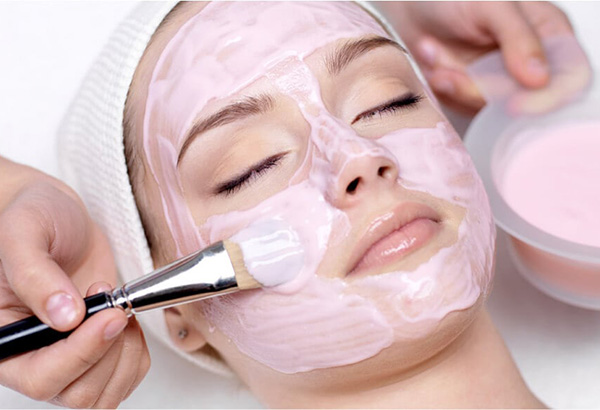
Understanding skin type is essential for developing an effective skincare strategy. Dermatology recognizes five primary skin types.
Normal Skin
Characteristics:
- Balanced oil and moisture levels
- Minimal sensitivity
- Even texture
Skincare for normal skin emphasizes maintenance and protection.
Dry Skin
Characteristics:
- Insufficient lipid production
- Flakiness and tightness
- Reduced barrier function
Dry skin skincare requires:
- Emollients to restore lipids
- Occlusives to reduce water loss
Oily Skin
Characteristics:
- Excess sebum production
- Enlarged pores
- Increased acne risk
Oily skin skincare focuses on:
- Sebum regulation
- Non-comedogenic hydration
Combination Skin
Characteristics:
- Oily T-zone
- Normal to dry cheeks
Combination skin requires zone-specific skincare strategies.
Sensitive Skin
Characteristics:
- Rapid inflammatory response
- Redness and irritation
- Impaired barrier integrity
Sensitive skin skincare demands:
- Minimal ingredient formulations
- Fragrance-free products
- Physiological pH compatibility
Core Steps of a Scientifically Approved Skincare Routine

Dermatological consensus supports a six-step foundational skincare routine.
Cleansing
Cleansing removes:
- Sebum
- Environmental pollutants
- Microbial residues
Skin should be cleansed twice daily, morning and evening.
Skin Balancing
Balancing restores:
- Optimal pH
- Skin readiness for treatment steps
Moisturizing
Moisturizing:
- Reduces transepidermal water loss
- Strengthens the lipid matrix
According to the Journal of Clinical and Aesthetic Dermatology, adequately hydrated skin demonstrates 30% faster recovery from barrier disruption.
Sun Protection
Sun protection is the most critical daytime skincare step.
- UVA radiation accelerates skin aging
- UVB radiation increases burn and carcinogenesis risk
Targeted Treatment
Treatment addresses:
- Acne
- Hyperpigmentation
- Photoaging
Skin Recovery
Recovery supports:
- Cellular regeneration
- Inflammation reduction
- Barrier repair
Skincare by Age Group
Skincare During Adolescence
Primary objectives:
- Sebum control
- Acne prevention
- Barrier preservation
Skincare in the 20s
Skin begins to experience:
- Gradual decline in cellular turnover
Focus areas:
- Antioxidant defense
- Consistent sun protection
Skincare in the 30s
According to research from the University of Michigan:
- Collagen production declines approximately 1% per year after age 30
Skincare priorities include:
- Collagen stimulation
- Overnight skin repair
Skincare in the 40s and Beyond
Common changes:
- Static wrinkles
- Uneven pigmentation
Advanced strategies involve:
- Multi-pathway anti-aging care
- Enhanced photoprotection
Lifestyle Factors Affecting Skincare Outcomes
Nutrition and Skin Health
Skin requires:
- Vitamins A, C, and E
- Omega-3 fatty acids
- Zinc and selenium
Sleep and Skin Regeneration
According to the Sleep Foundation:
- Peak skin regeneration occurs between 10 PM and 2 AM
Sleep deprivation:
- Elevates cortisol levels
- Impairs skin repair mechanisms
Stress and Skin Conditions
Chronic stress:
- Increases inflammatory cytokines
- Exacerbates acne and eczema
Common Skincare Mistakes
There are seven frequent skincare errors:
- Over-cleansing
- Skipping sun protection
- Using products unsuitable for skin type
- Frequently changing routines
- Following trends without evidence
- Excessive exfoliation
- Inconsistent application
Modern Skincare Trends
Contemporary skincare emphasizes:
- Skin barrier repair science
- Minimalist formulations
- Evidence-based dermatology
- Personalized skincare protocols
According to the 2024 Global Dermatology Market Report, barrier-repair skincare accounts for over 35% of industry growth